Be Where Tech Thrives
Welcome to NVTC, one of the nation’s largest technology councils. We connect, educate, advocate, and celebrate Northern Virginia’s tech professionals.
Join NVTC
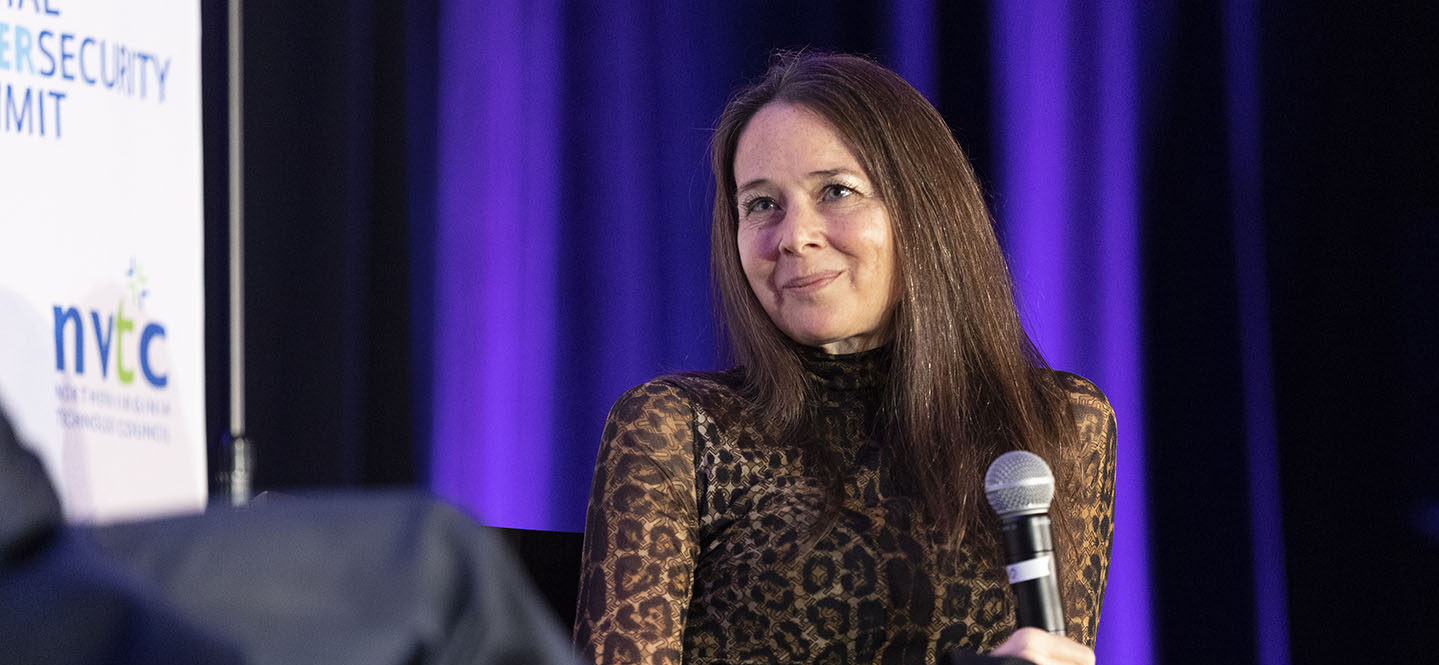


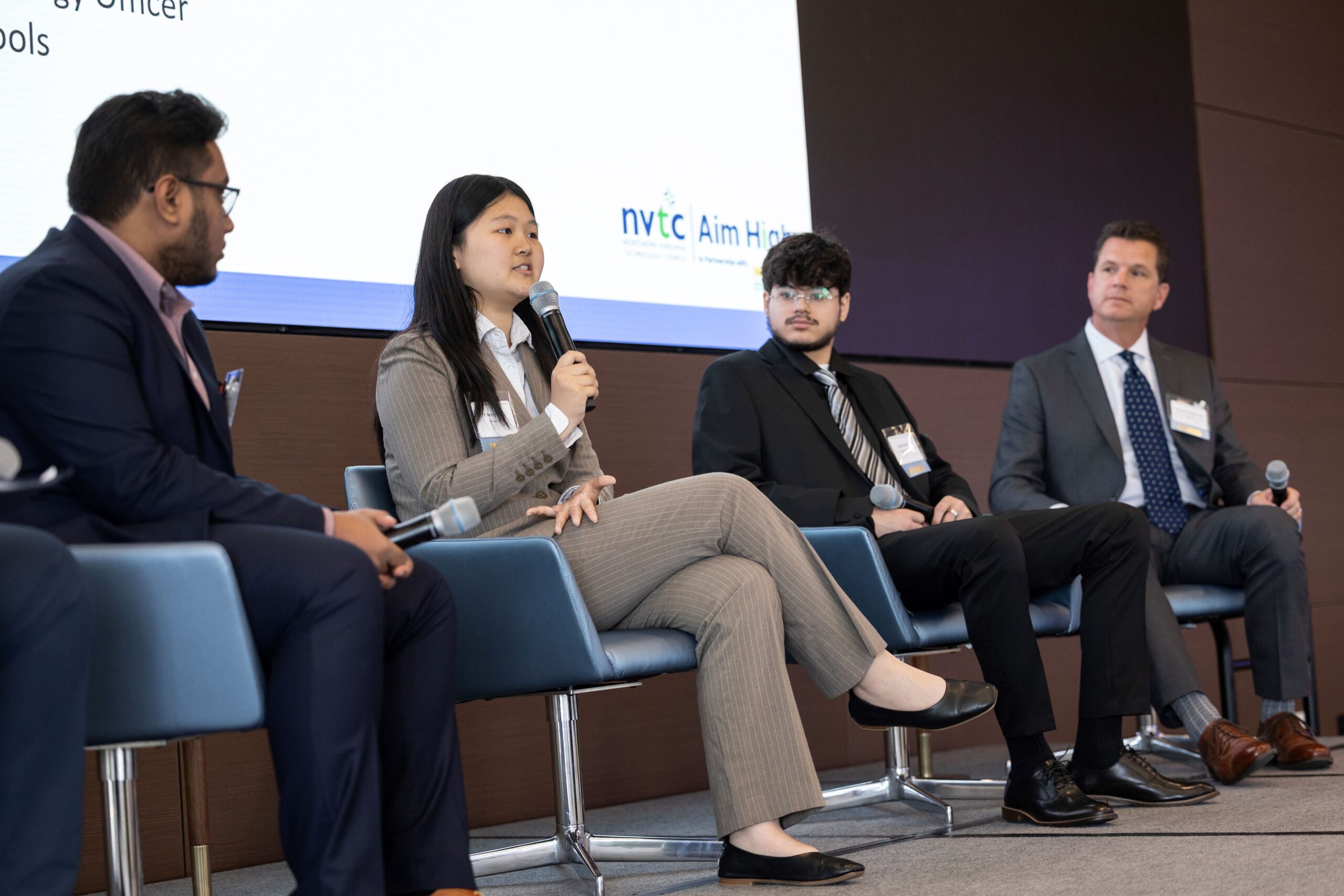

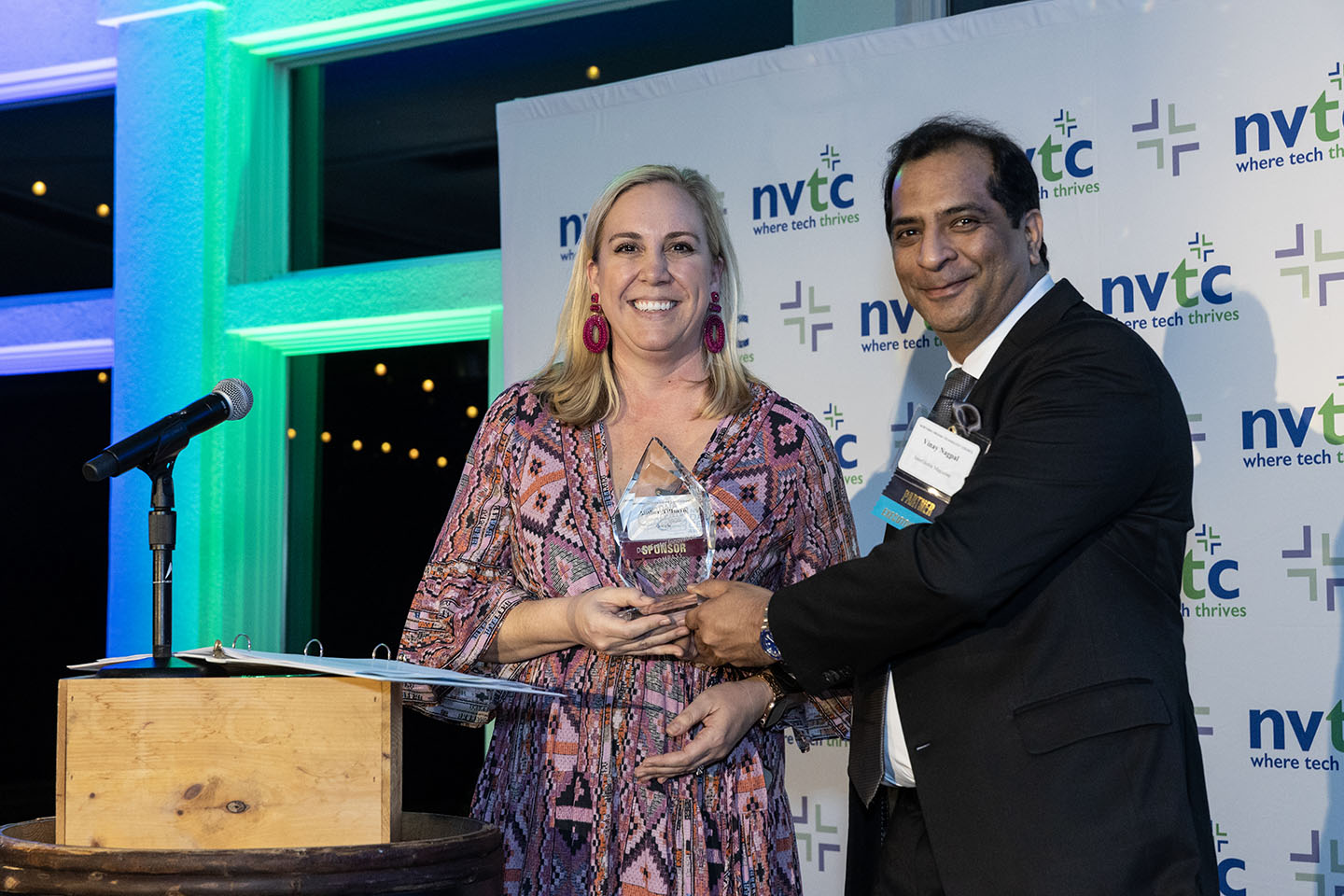

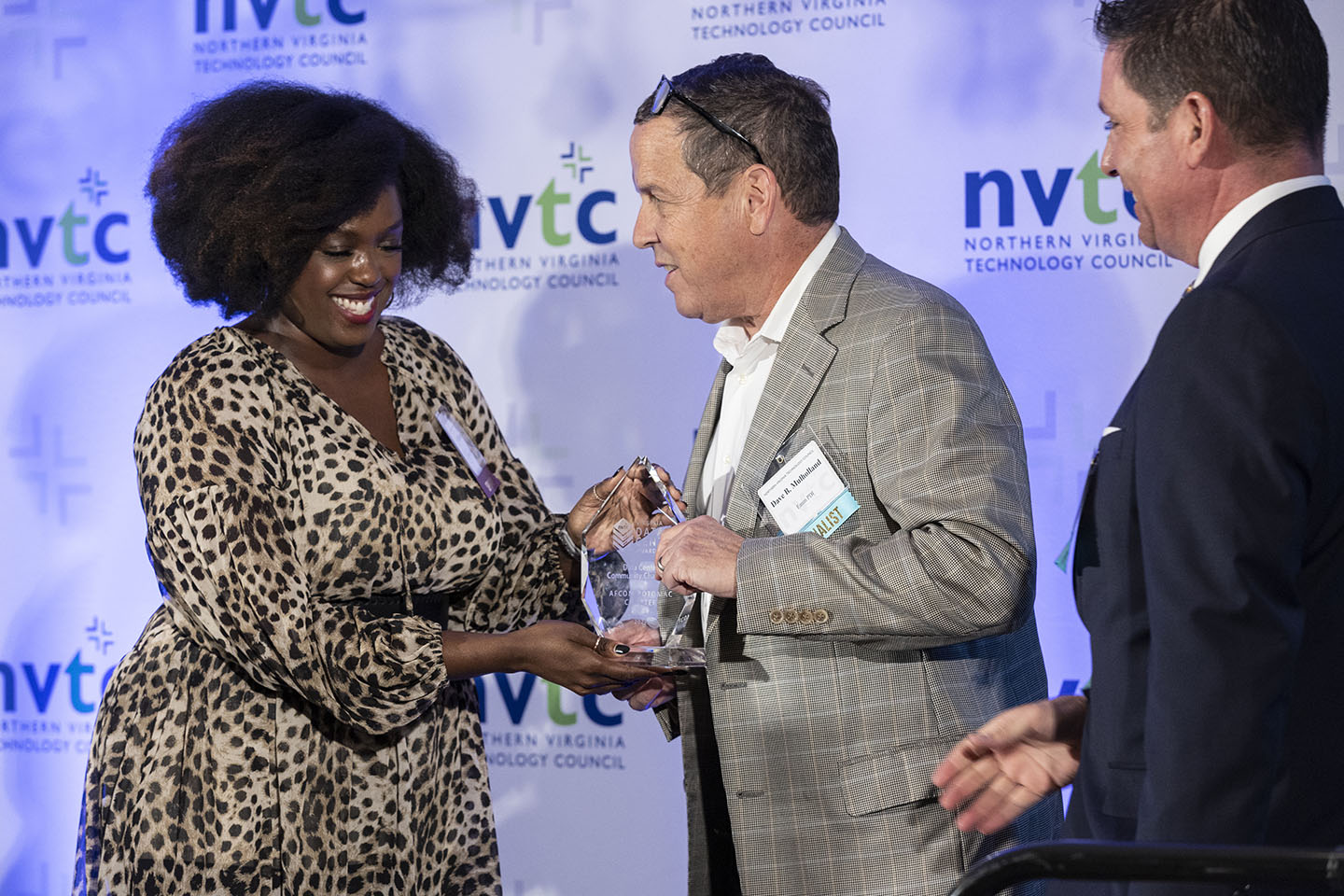

Upcoming Event

Attend NVTC’s annual Impact AI Summit and explore how artificial intelligence (AI) is changing the world on May 16.
Attend an Event

Our cutting-edge events and community meetings gather thought leaders, visionaries, and budding professionals to learn, connect, and grow. See what’s next on the calendar.
Become a Member

From tech startups to consulting firms, all organizations from our vast and vibrant tech community are encouraged to apply! Join today to grow your people, your brand, and your business.
NVTC by the Numbers

+
Member Companies

+
Engaged Professionals

Honorees Awarded

+
Events and Meetings
As Seen In





Grow Your People. Grow Your Brand. Grow Your Business.
Check out the benefits of an NVTC membership. All employees of NVTC Member companies can leverage these perks.
Build meaningful relationships with colleagues, clients, and partners. We connect tech professionals through educational and networking events, peer-to-peer communities, awards programs, and educational summits.
View upcoming events
Gain unique and direct access to the most vast and vibrant community of tech companies, leaders, and decision-makers in the U.S. Uncover your next great industry partner by engaging with us.
See all NVTC members
Support economic growth in our region through both a tech-centered and workforce policy framework. We advocate with Virginia’s elected officials to promote our region as the best destination for employers, researchers, investors, and entrepreneurs.
NVTC policy priorities
All employees at NVTC member companies receive complimentary access to COI and virtual events. Plus, members save up to 25% on sponsorships and tickets to NVTC’s popular educational summits and award celebrations.
See all member benefits
Members love NVTC!
See what they’re saying.
Partners









2022 Virginia Data Center Report
Discover how Virginia’s thriving data center market strengthens both our state and local economies.

NVTC is an Award-Winning Tech Council
The Technology Councils of North America (TECNA) recognized NVTC among 60+ tech councils nationwide for our innovative event experiences and impactful advocacy efforts.
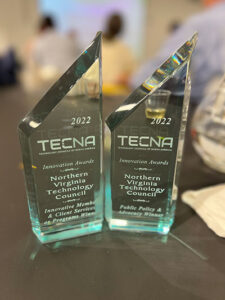
Innovative Member & Client Services or Programs
In 2022, NVTC received the TECNA Innovative Member & Client Services Award for our new and creative programming.
Public Policy Advocacy
In 2022, NVTC received TECNA’s Public Policy Advocacy Award recognizing our tax incentive advocacy efforts supporting economic and workforce growth.
The Nation’s Most Dynamic Tech Community
Board of Directors
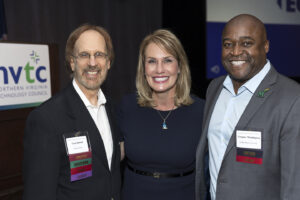
NVTC’s Board guides our strategic direction, helping fuel our mission to grow the region’s tech industry and promote a world-class workforce.

Topics
Anticipate and learn about emerging tech innovations. From AI to the Metaverse, we’ll keep you informed about the ever-changing tech landscape.

Awards Programs
Nominate the trailblazing companies, executives, and NextGen leaders making a positive impact where we live, work, and learn.

Sponsorships
Increase your brand visibility and get valuable face time with the region’s tech leaders and influencers.

Are you ready to thrive?
Join NVTC today to be part of our vast and vibrant ecosystem and demonstrate your commitment to uplifting our entire tech community.
Grow your people. Grow your brand. Grow your business.